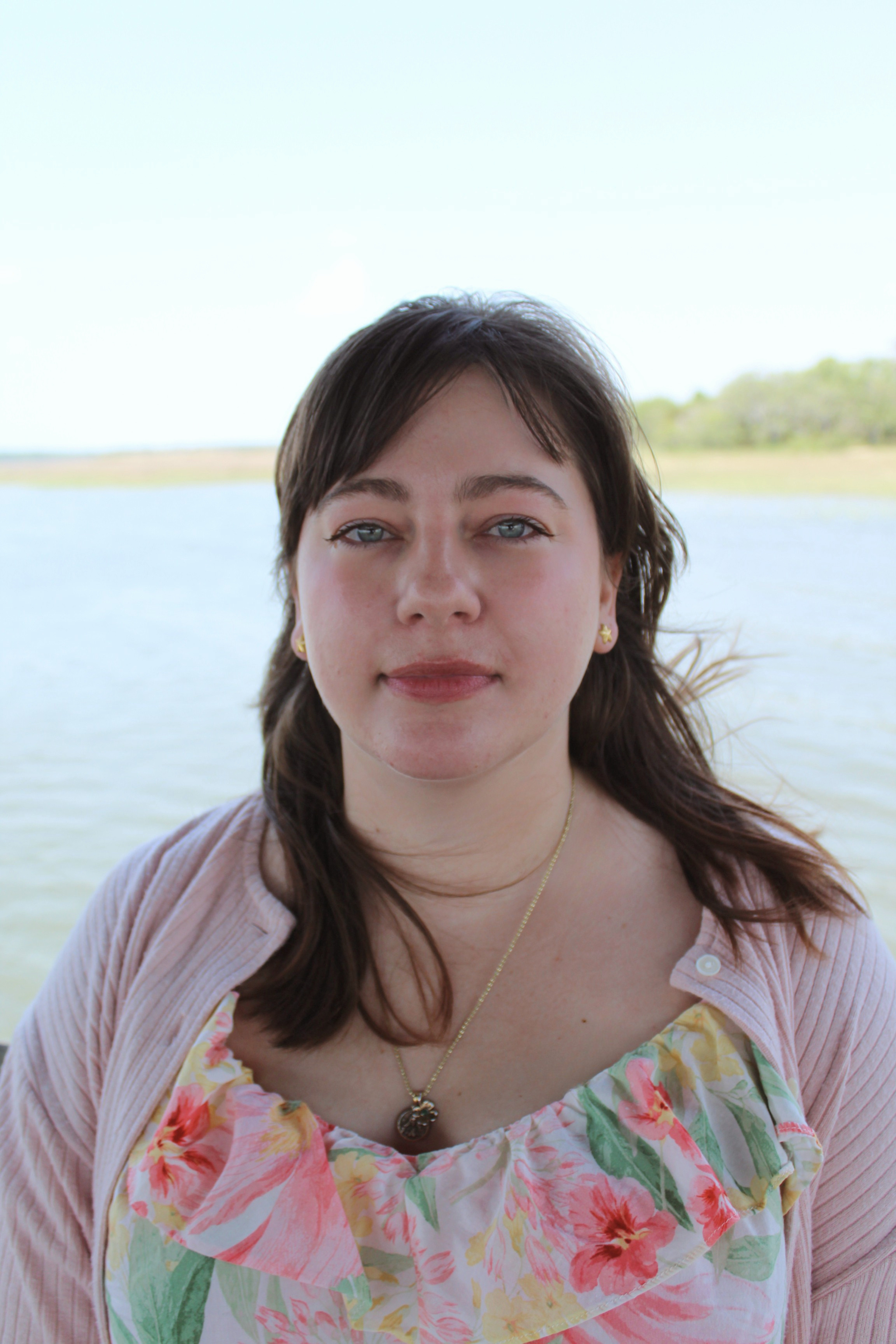
About me:
Growing up on Pawleys Island, I understood tidal marshes before I understood policy. Oyster roasts in the Lowcountry are not a dining concept, they are a community ritual, a form of relationship between people and place that carries stakes far beyond the dinner table. That early understanding shaped everything that came after.
My academic path has always been oriented toward the intersection of marine science and the political structures that govern it. That orientation led me to pursue concurrent degrees in Environmental and Sustainability Studies and Public Administration at the College of Charleston, where I have maintained a 3.97 GPA while holding two active research appointments. I completed simultaneous Graduate Certificates in Geospatial Sciences and Urban and Regional Planning Sciences in December 2025.
I primarily work in ArcGIS and RStudio to create products that are rigorous in methodology and legible to any audience from commercial growers on a dock to committee staff in a Washington hearing room. My stakeholder network analysis maps 103 nodes across four functional sectors of the South Carolina mariculture industry and is publicly accessible as an interactive dashboard. My Salinity Stability Index — a novel four-factor composite index derived from 26 years of statewide water quality monitoring — is integrated into the publicly accessible South Carolina Mariculture Siting Tool.
Before my environmental work, I earned a B.A. in Anthropology (magna cum laude) from the University of South Carolina, where my specialty in ethnoarchaeology trained me in the kind of close documentary attention and stakeholder relationship-building that I now apply to regulatory analysis. That background shapes how I conduct interviews and how I think about the communities whose futures are shaped by decisions made far from their shorelines.